


Productadvies
```html
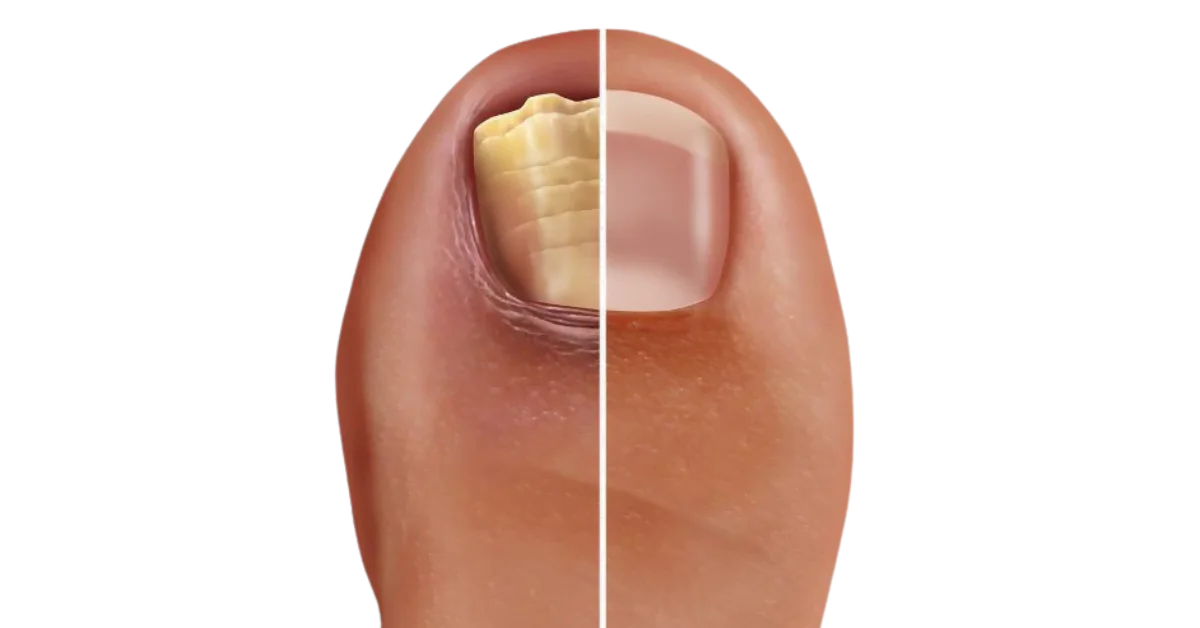
A fungal nail is a thin swollen, crumbling, and yellow-coloured nail that can be affected by the candida fungus or the typical toe fungus: dermatophytes.
Many people therefore think that a fungal nail is synonymous with ‘athlete's foot’. But a fungal nail is not always infected by a fungal infection.
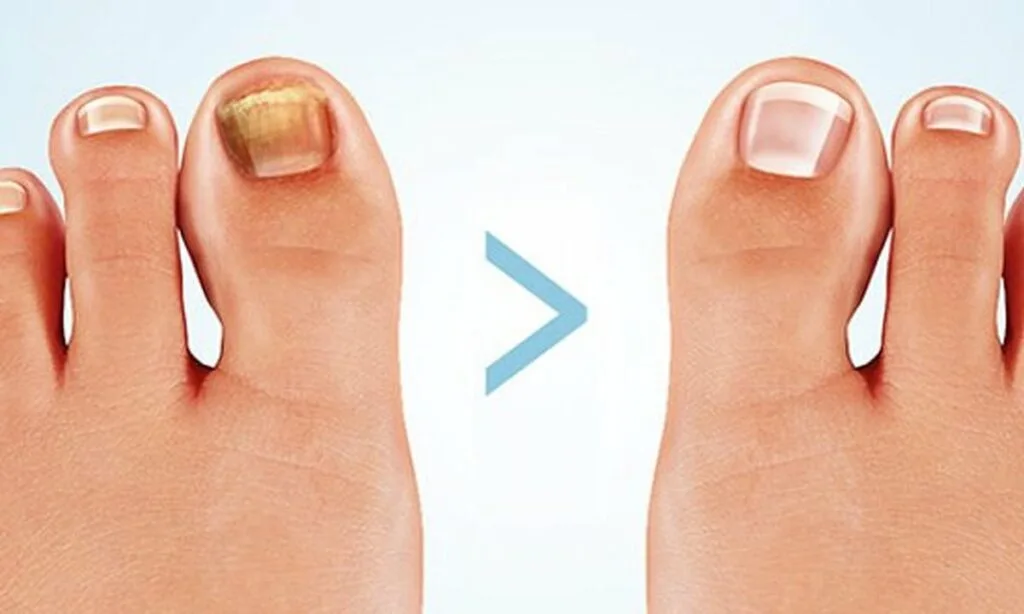
A thickening in the nail can have various causes; besides the fungal infection, age can also play a role. The ageing process can result in increased production of keratin (Onychograrypos), causing the nails to become brittle and thickened.
Dermatophytes are fungi that can cause a superficial infection of the skin or nail, these fungi are in your nail and you can contract them if:
Candida yeast lives in everyone's intestines and on healthy skin. In the right circumstances, this yeast can thrive and develop into a fungus. The fungus weakens the immune system and promotes a candida infection. Especially in combination with:
One of the fastest ways to get rid of your fungal nail is to visit the doctor so they can prescribe a course of pills. This is the most effective way to treat an advanced fungal nail.
This can cause side effects, which is why these medications are only available by prescription and are often used as a last resort.
Have you completed a course against fungal nail? Then have your feet checked by a pedicurist or a medical specialist to see if the infection has really been resolved.
Yes, a fungal nail is contagious: you can catch it from someone else and you can infect others with it.
This is because the fungus is also in the nail or skin. These can shed flakes that spread via the floor of a sports or shower room, such as that of a swimming pool.
Fungal nails with a fungal infection cannot heal on their own. So “prevention is better than cure”.
Maintain your feet regularly and have them inspected and treated by a (medical) pedicurist. This prevents many foot problems or nips them in the bud in time.
Try to walk barefoot as much as possible. Feet that can air a lot are less susceptible to fungi and bacteria. This also prevents unpleasant odours.
However, remember to wear slippers in public areas so you do not have direct contact with the floor.
Sweaty feet play an important role in the development of fungal nails.
Preventing and treating fungal nails or athlete's foot.

Ensure your feet are clean by washing them with a pH-neutral anti-bacterial soap.
Use pediFris® shoe powder to keep your feet and shoes free from fungal spores (yeast)
Wear slippers in public shower and changing rooms and also dry the slippers well after showering.
```.svg)
 Dmitry Vakulich
Dirk Pot
Dmitry Vakulich
Dirk Pot
 John Martin
Conny Nooten
Amanda Davenpoort
Norbert Kampschulte
Danny De koning
gustaaf Schrauwen
Lianne
John Martin
Conny Nooten
Amanda Davenpoort
Norbert Kampschulte
Danny De koning
gustaaf Schrauwen
Lianne
 Joe
Joe
A fungal nail is a thin swollen, crumbling, and yellow-coloured nail that can be affected by the candida fungus or the typical toenail fungus: dermatophytes.
Many therefore think that a fungal nail is synonymous with 'fungal nail'. But a fungal nail is not always infected by a fungal infection.
```A thickening of the nail can have various causes; besides the fungal infection, ageing can also play a role. The ageing process can result in an increased production of keratin (Onychograrypos), causing the nails to become brittle and thickened.
Dermatophytes are fungi that can cause a superficial infection of the skin or nail, these fungi reside in your nail and can be contracted if:
Candida yeast lives in everyone's intestines and on healthy skin. Under the right circumstances, this yeast can thrive and develop into fungi. The fungi weaken the immune system and promote a candida infection. Especially in combination with:
One of the fastest ways to get rid of your fungal nail is to visit the GP so they can prescribe a course of tablets. This is the most effective way to treat an advanced fungal nail.
This may cause side effects, hence these medicines are only available on prescription and are often used as a last resort
Have you completed a course of treatment for fungal nail/ Then still have your feet checked by a pedicurist or a medical specialist to see if the infection has really been resolved
Yes, a fungal nail is contagious: you can catch it from someone else and you can infect another person with it.
This is because the fungus is also in the nail or skin. These can shed flakes that spread via the floor of a sports or shower room, such as that of a swimming pool.
```Nail fungus caused by fungal infection cannot heal on its own. So "prevention is better than cure".
Maintain your feet regularly and have them inspected and treated by a (medical) pedicurist. This prevents many foot problems or nips them in the bud in time.
Try to walk barefoot as much as possible. Feet that can breathe a lot are less susceptible to fungi and bacteria. This also prevents unpleasant odours.
However, make sure to wear slippers in public spaces so that you do not have direct contact with the floor.
```Sweaty feet play an important role in the development of fungal nails
preventing and treating fungal nails
```|
|
```html
The texts on this page have been carefully compiled. Sources used include: Thuisarts fungal nail and Footcare fungal nail. ``` |
