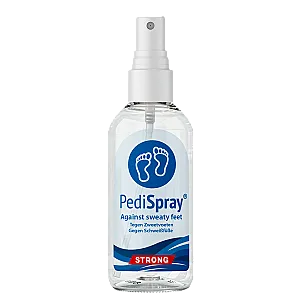


PediSpray® Regular
Direct reduction of perspiration
Washing your feet seems obvious. Yet many people seek advice on this because odour or clammy feet keep returning, despite daily hygiene. Washing and, above all, drying between the toes is the key. It is not always enough if you sweat a lot or put wet feet into socks.
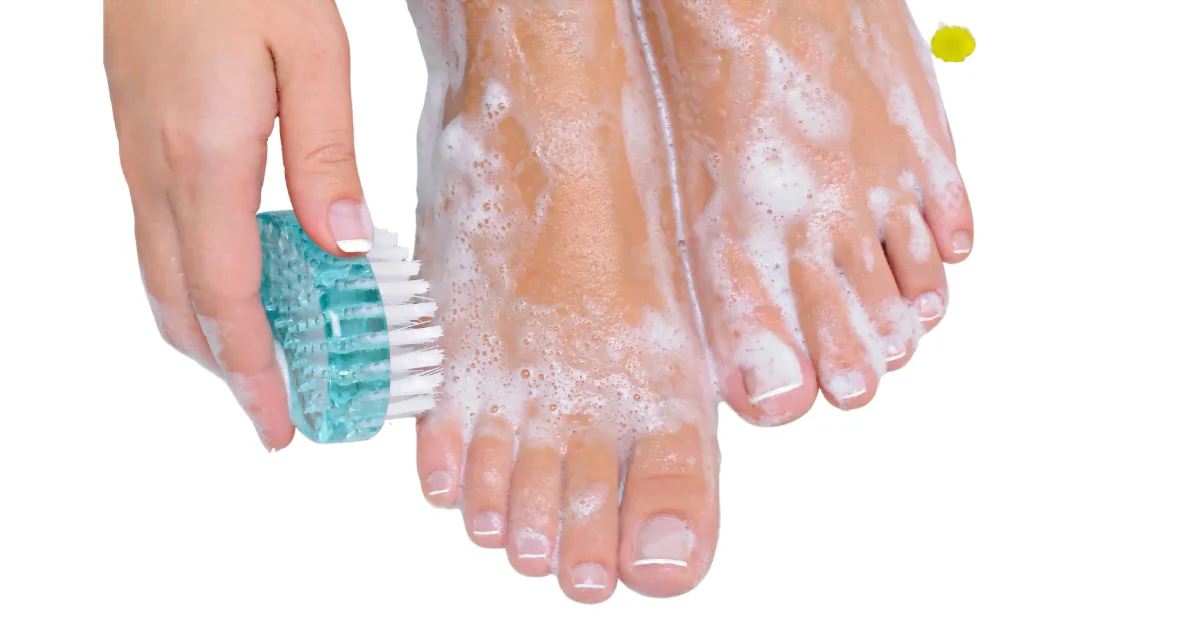
Mild soap and thorough drying are the basics, but in cases of excessive sweating, they do not fully address the cause.PediSpray® on dry skin plus PediFris® Classic Filling the shoe complements this approach.
Pedicure practitioners and patient leaflets rightly emphasise this: wash your feet daily and dry them thoroughly, especially between the toes. This removes dirt and bacteria and reduces the risk of athlete’s foot. Yet socks or shoes sometimes start to smell again after just a few hours. Not because washing is pointless, but because washing merely resets the clock.
Sweat itself has hardly any smell. Bacteria cause the odour as soon as moisture is present again. If you put your wet feet into socks, or if you sweat heavily in closed shoes, the conditions for bacteria to thrive return immediately. That is why the phrase “I’ve already had a wash” can sometimes be disappointing.
And that is precisely the pitfall of hygiene tips alone: they stop at ‘clean and dry’. In the long run, reducing sweating on the skin and keeping your shoes fresher helps, so you don’t have to start all over again every afternoon.
Take the pedicure advice seriously. Supplement it with steps that are often omitted: applying antiperspirant to dry skin and caring for the feet.
Daily washing with lukewarm water is standard practice. Mild, non-irritating soap is acceptable; harsh soap dries out the skin. Rinse off any soap residue. Do not soak for too long: softened skin tears more easily and traps moisture between the toes.
This is the part that Thuisarts and chiropodists emphasise most strongly. Dry each toe space thoroughly. Do not put socks on damp feet. If necessary, use a hairdryer on a short, cool setting. Wet skin between the toes is a breeding ground for bacteria and fungus.
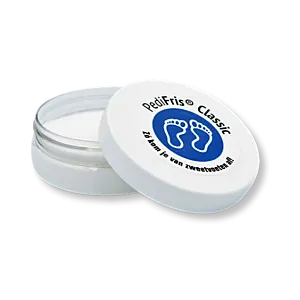
Only once feet are completely dry: use PediSpray® (Regular or Strong) to inhibit perspiration. PediFris® Classic, applied to dry shoes, tackles bacteria in the soles. Washing alone only removes bacteria temporarily; these steps prevent their return.
.svg)
 Jan henk Crouwers
Thomas De Jager
Roger Schmidt
Wicher
IdKvH
Helmut Tijssen
Bernd
Pim
Jan henk Crouwers
Thomas De Jager
Roger Schmidt
Wicher
IdKvH
Helmut Tijssen
Bernd
Pim
 Bernd
Bernd
 roger christiaen
Hygiene removes what is already there. PediSpray® and PediFris® Classic make it more difficult for bacteria to grow again immediately in damp feet and shoes.
Pedicure blogs are divided on the use of soap: some prefer water alone, others a mild soap. What they do agree on is: no harsh soap, rinse thoroughly, and always dry properly. Soaking for too long or using water that is too hot makes the skin soft and more sensitive.
Once dry, you can lightly moisturise the soles of your feet if they feel dry, but Do not apply a thick layer between the toes: that’s exactly where you want dryness. For white cracks or itching between the toes: consider athlete’s foot and Thuisarts advice, not just “wash again”.
Read more toe cheese(build-up and odour) and what to do about sweaty feet for a broader approach.
Leaflets and chemist’s blogs often conclude with “wash more often” or “dry thoroughly”. Whilst this is necessary, in cases of excessive sweating, the skin continues to produce moisture.PediSpray® Apply to dry feet after washing, not over wet soap residue.PediFris® Classic Found in dry shoes: the spot where odours linger between washes.
This way, you respect what pedicurists actually say, without pretending that just water and a towel can solve excessive sweating.
In cases of diabetes, open sores, painful cracks, or if odour and moisture remain extreme despite good hygiene. Background: Thuisarts.nl on athlete’s foot en excessive sweating.
Ready to combine washing with longer-lasting results? Dry thoroughly, start with PediSpray® on dry feet and PediFris® Classic in the shoe.
From “how often?” to soap, drying between the toes and when to use spray or powder: the questions that keep cropping up in search results.
Washing daily is standard practice, usually whilst showering, and after exercise or heavy sweating, you may wash more frequently provided you dry thoroughly afterwards. Do not soak for too long, so that the skin does not become unnecessarily soft.
Experts differ on the use of soap, but agree that soap should not be harsh, that it should be rinsed off thoroughly, and that the skin between the toes should always be dried properly. Mild soap is acceptable if your skin can tolerate it; bathing in water that is too hot or for too long makes the skin softer.
Moisture between the toes is a breeding ground for bacteria and athlete’s foot, even if the rest of the foot already feels dry. Do not put socks on wet feet; if necessary, dry them briefly afterwards with a cold hairdryer.
Washing temporarily removes odour and bacteria, but does not solve the problem of excessive sweating as long as your skin becomes damp again in socks or shoes. Afterwards, reduce sweating by applying PediSpray® to dry skin and treat your shoes with PediFris® Classic.
Apply PediSpray® to clean, completely dry feet, preferably in the morning, so that it can be absorbed before putting on socks or shoes. Do not apply over wet soap residue or immediately after a long bath without drying thoroughly.
See a chiropodist or GP if you have diabetes, open sores, painful cracks, or excessive sweating that persists despite good hygiene. More information on Thuisarts.nl.
Written by Judith de Jong (Content owner, PediFris®). Medically reviewed by Sébastien Dequidt, podiatrist. Updated on 12 August 2026. We base our advice on foot care practice and on the medical sources listed below.
Worried about a persistent complaint, fungal nail, athlete’s foot or excessive sweating? Consult your GP, podiatrist or chiropodist.

.svg)