If you are experiencing the symptoms of heel spurs – such as pain radiating through your feet when you walk – you may be wondering what it is and how to treat it. In this blog post, I provide an overview and discuss the causes and symptoms in detail. In addition, we will explore possible solutions for pain relief and prevention.
Whether you suffer from a chronic condition or are curious about preventing heel spurs in the future, read on and I will explain what you need to do to walk better than ever!
Heel spur is a common cause of heel pain and is characterized by calcification or inflammation of the plantar fascia. This is often the result of overuse, poor footwear, being overweight, poor circulation, or standing or walking for long periods of time.
Heel spurs are caused by excessive stress on the heel bone or the associated tendon. Common causes of overuse are:
If you experience any of these symptoms, you are likely dealing with heel spurs:
Do you have a sharp pain in your heel with your first steps every morning? That is a sign of heel spurs. Your muscles and tendons stiffen after a night’s rest, and the combination of that stiffness and calcification or inflammation can be very painful.
You may also experience pain after sitting for a long time – your muscles are more tense than normal, so getting up causes an intense shock of discomfort.
Are you on your feet all day long? Or do you perhaps have a job where you have to stand all day? Heel spurs can make this kind of prolonged standing or walking really uncomfortable – it can start as a slight stiffness, but develop into real pain over time.
Sometimes even the most mundane tasks can be difficult – like driving! Holding your foot on the pedal in an unnatural position for an extended period of time can cause intense pain if you suffer from heel spurs.
You want to get rid of these complaints as soon as possible. Fortunately, there are a few ways to do this.
Give your feet a rest for a while. Choose activities that have less contact with the ground, such as swimming or cycling. Remember to always wear quality shoes and do not walk or run barefoot.
Try using an ice pack for a few minutes every day to reduce the swelling, and several times a day if possible. You can also use a plastic bag with some ice cubes in it, applied to the painful area. This helps reduce swelling and soothe the pain.
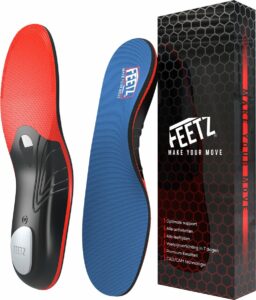
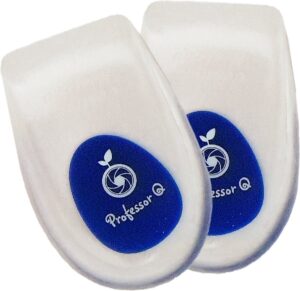
These soles provide extra cushioning and provide relief from overexertion of the plantar fascia. There are various soles made of different materials. Each with their own properties. Read all about insoles for heel spurs here
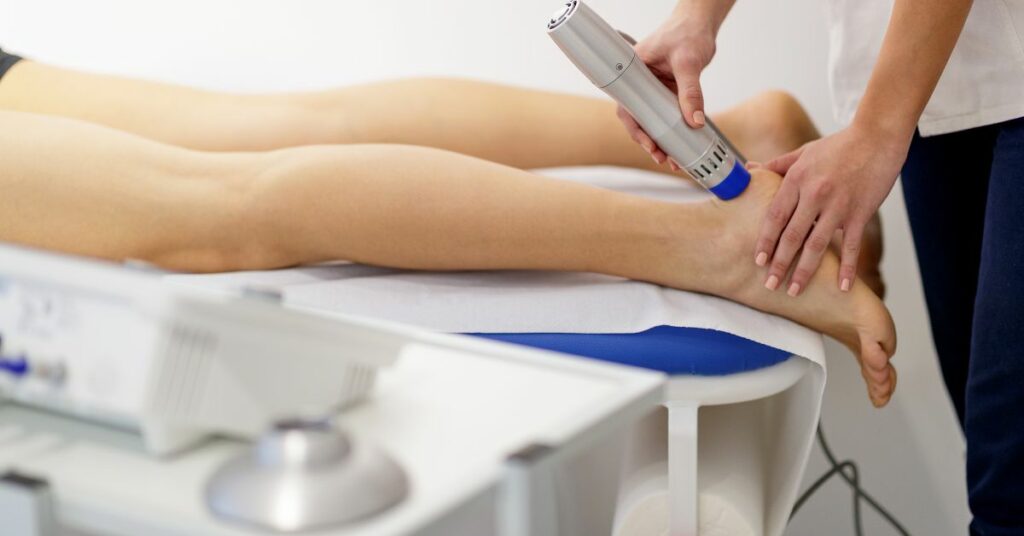
Shockwave therapy is a treatment that can reduce pain in the foot and aid in healing. The device used emits energetic shock waves that target the painful area in the foot. This can help stimulate blood flow, promoting the healing process. It can also break down calcifications on the bone.
The treatment may cause some pain, but this is usually only temporary. The number of sessions required may vary depending on the severity of the condition. It is important to consult with your doctor or podiatrist to determine if shockwave therapy is right for you.
If necessary, you can also take medication to reduce the pain – paracetamol can help suppress the pain, while anti-inflammatories such as diclofenac or ibuprofen help with the inflammation. Be aware of possible side effects before taking these medications.
Worried about heel spurs? Fortunately, there are things you can do to prevent the ailment from developing.
Insoles can help absorb shocks and provide extra cushioning for the feet. Good insoles provide a slight elevation and extra support in the arch and to prevent the heel from being pushed too far back and stressing the plantar fascia.
Your shoes should provide good arch support and sufficient cushioning to prevent heel pain from overpronation or walking on hard surfaces. Shoes with a very low or thin sole are likely to worsen the complaint, so look for shoes with good cushioning.
A barefoot walk on the beach lets you enjoy nature and at the same time helps strengthen your feet, calves and Achilles tendon – this is especially useful if you spend a lot of time on your feet during your work. Make sure you don’t walk too much, as this can increase the risk of heel spurs.
Wearing worn shoes can cause heel pain because they lose their cushioning over time. Try to replace them before it gets too bad, and remember that alternating between different pairs of shoes helps them last longer – that way you get the best of both worlds!