


Sweaty feet
Less perspiration, more everyday comfort.
Read more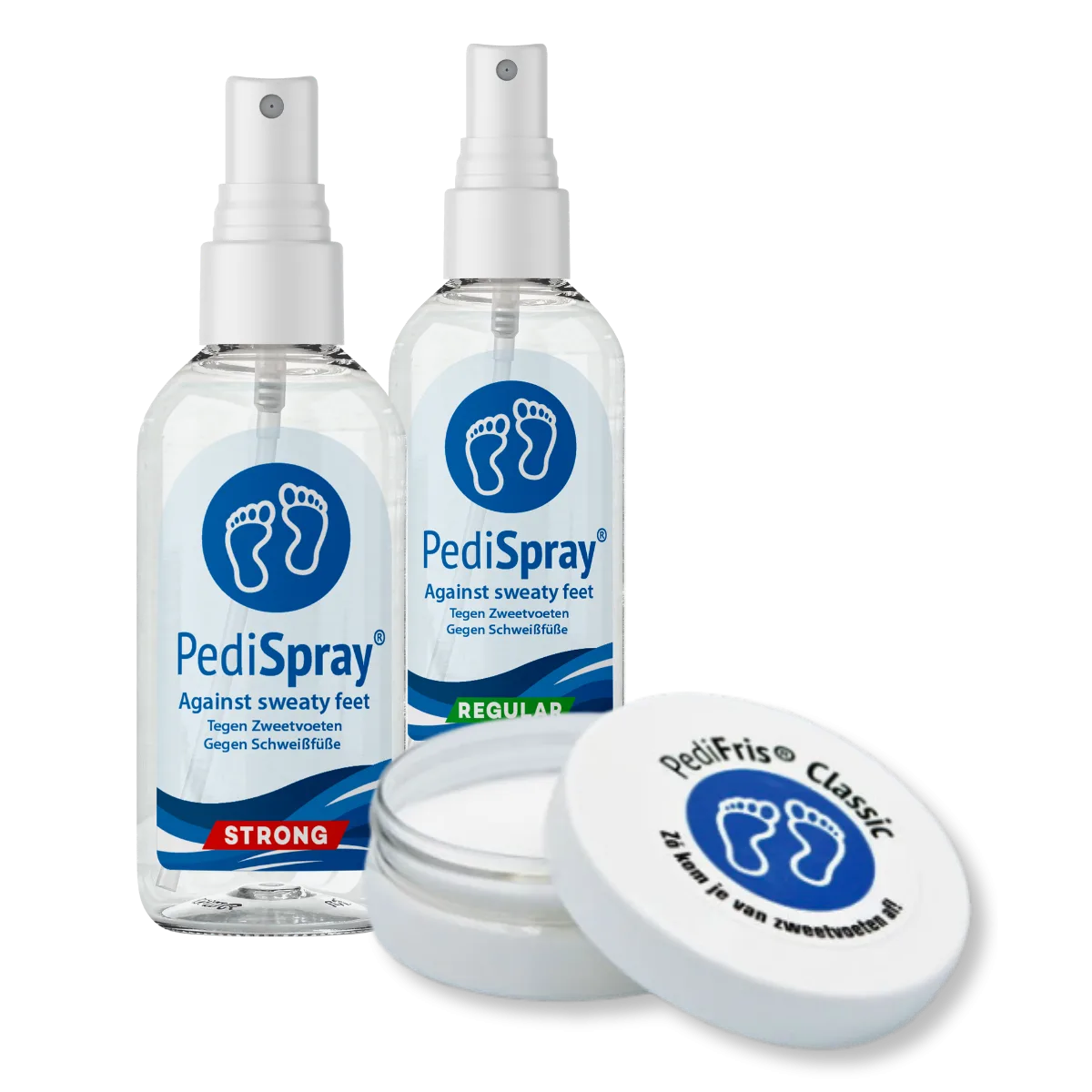
Sprays and powders often only mask the smell. PediFris® tackles the cause: sweat-free, dry, odour-neutral feet and shoes—so you can face the day with confidence again.
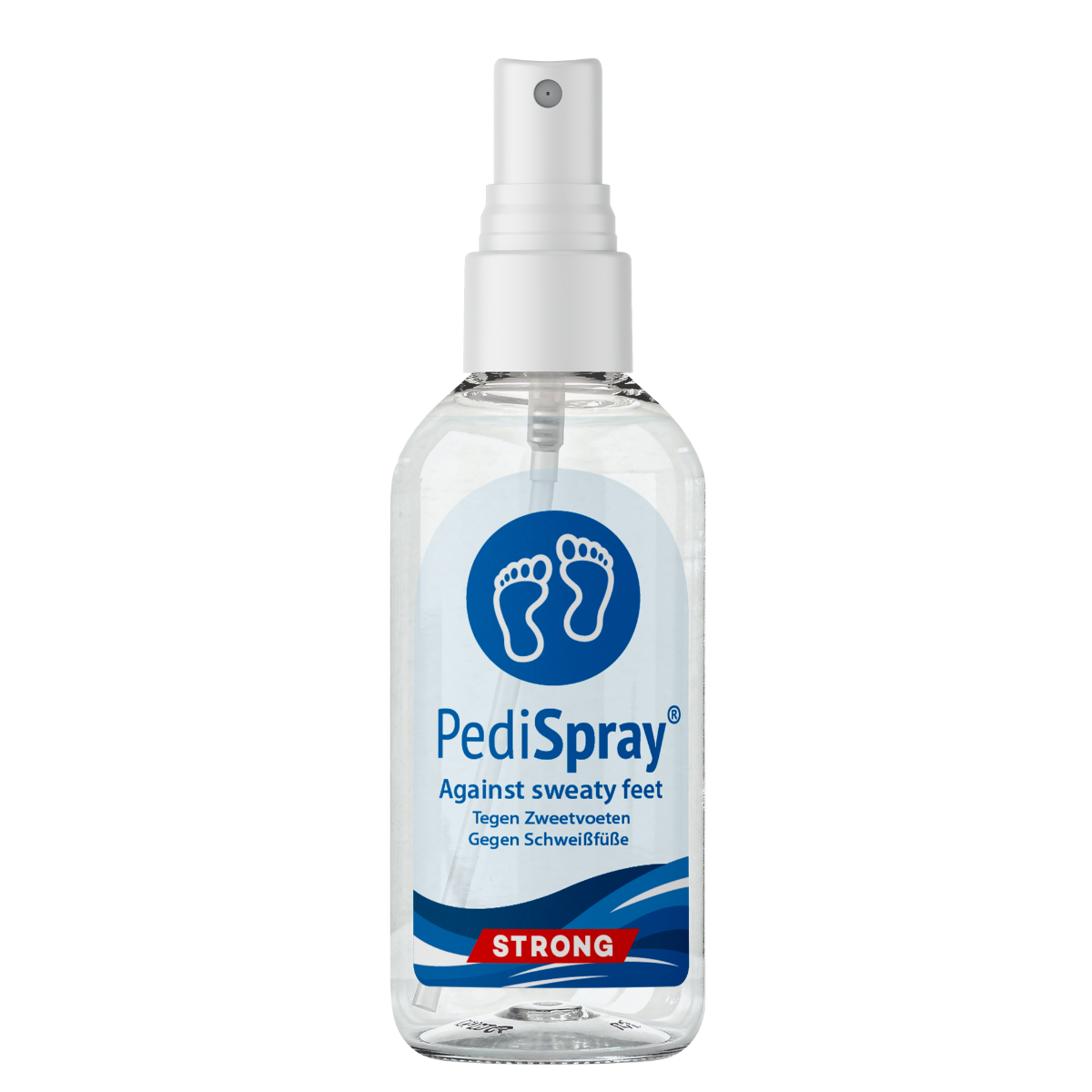
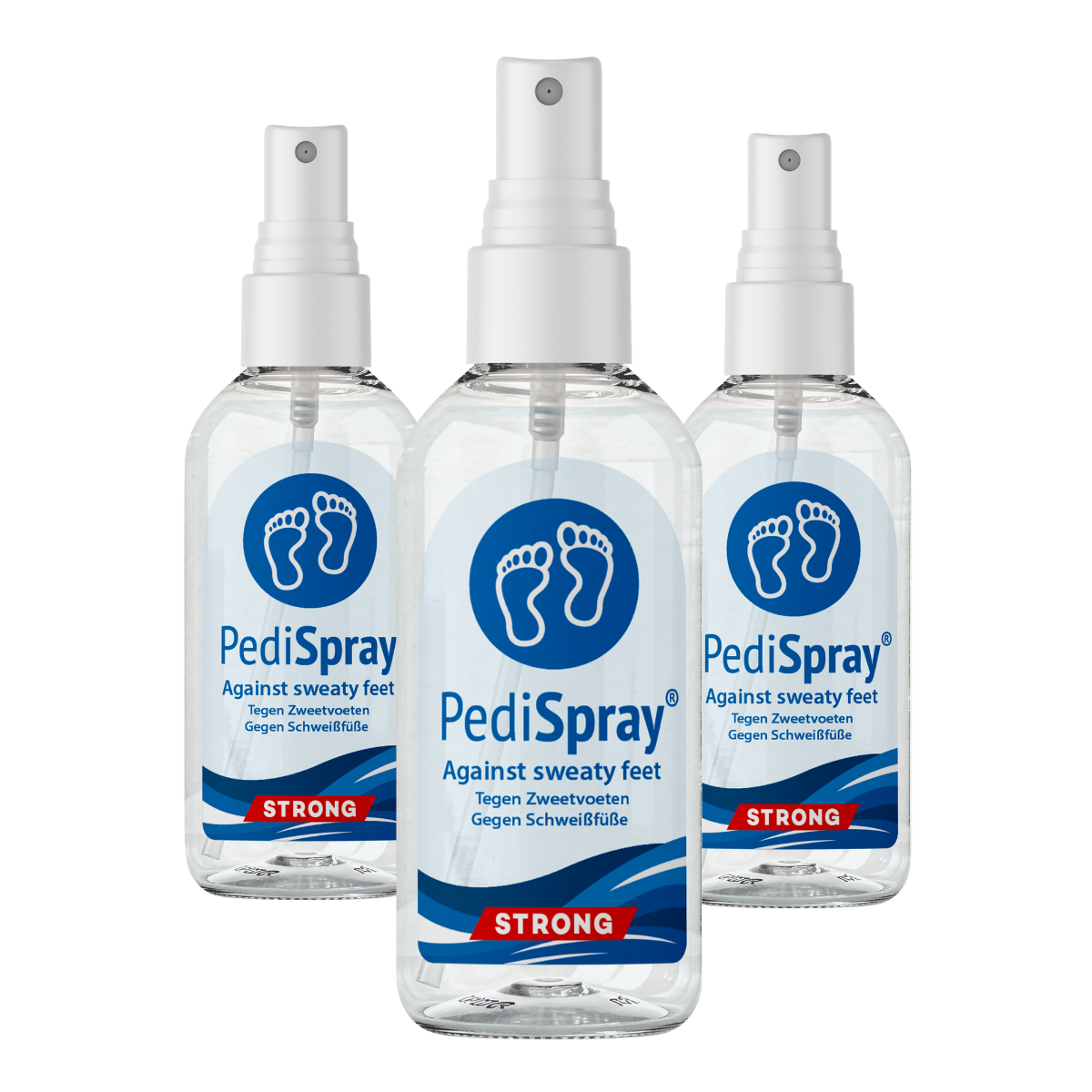
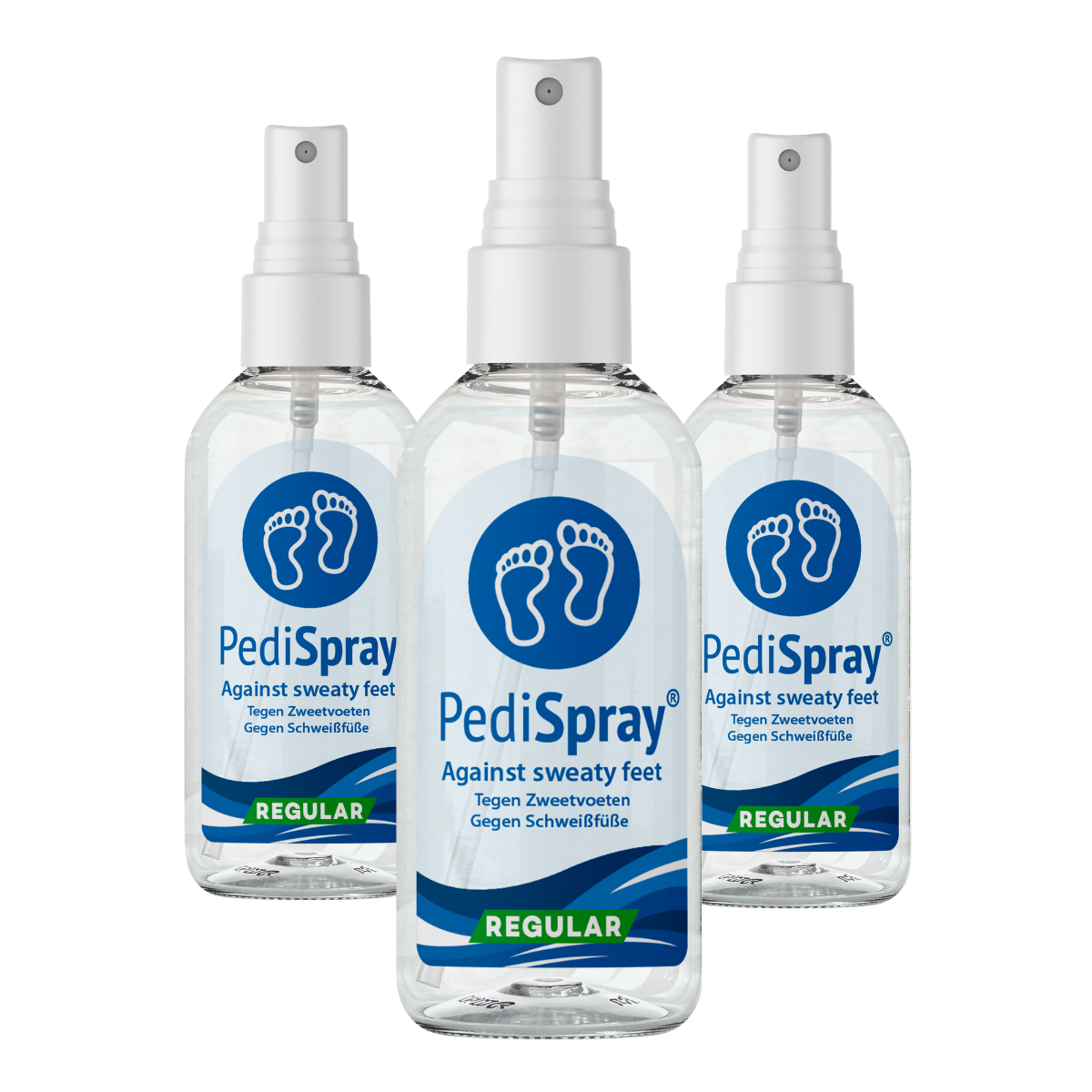
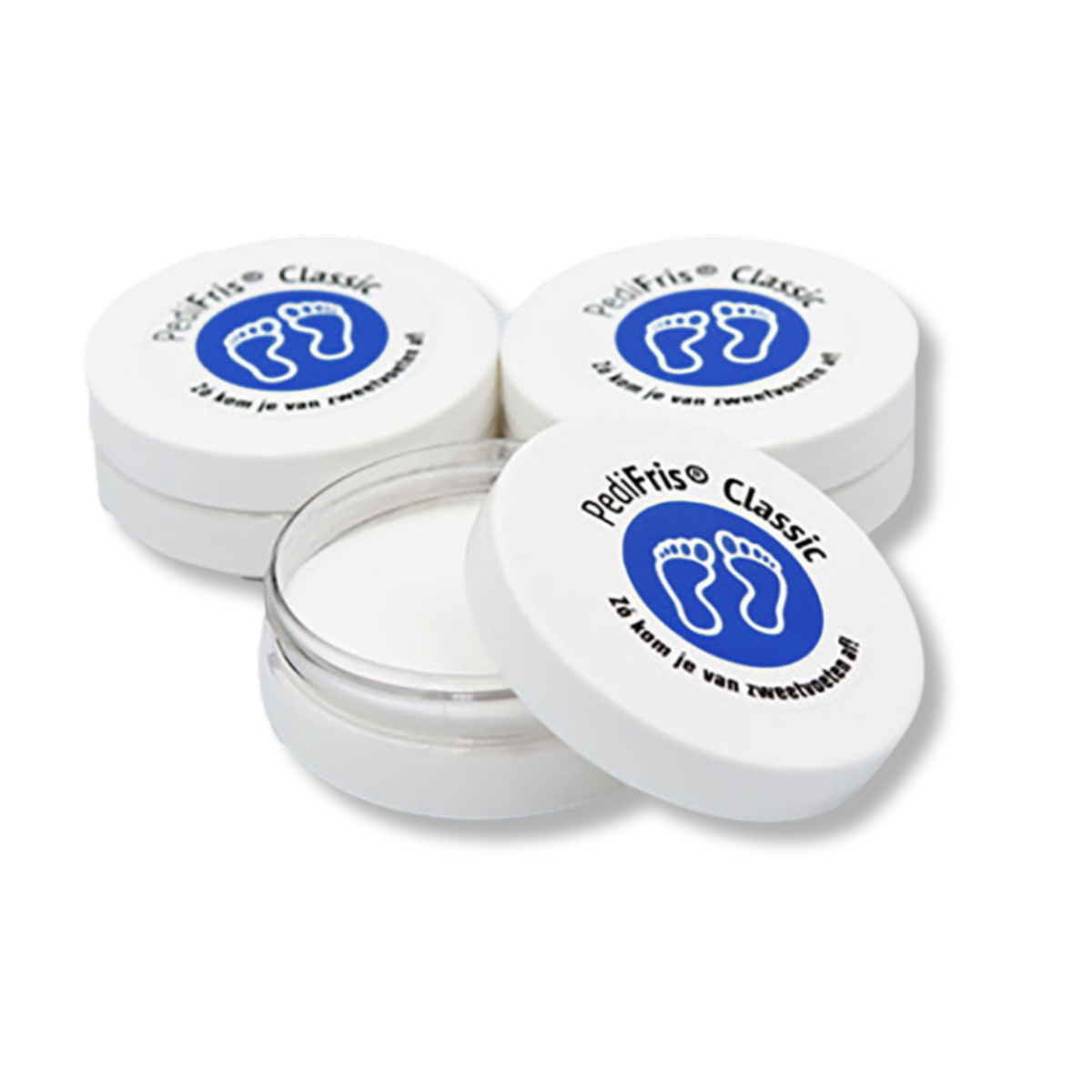
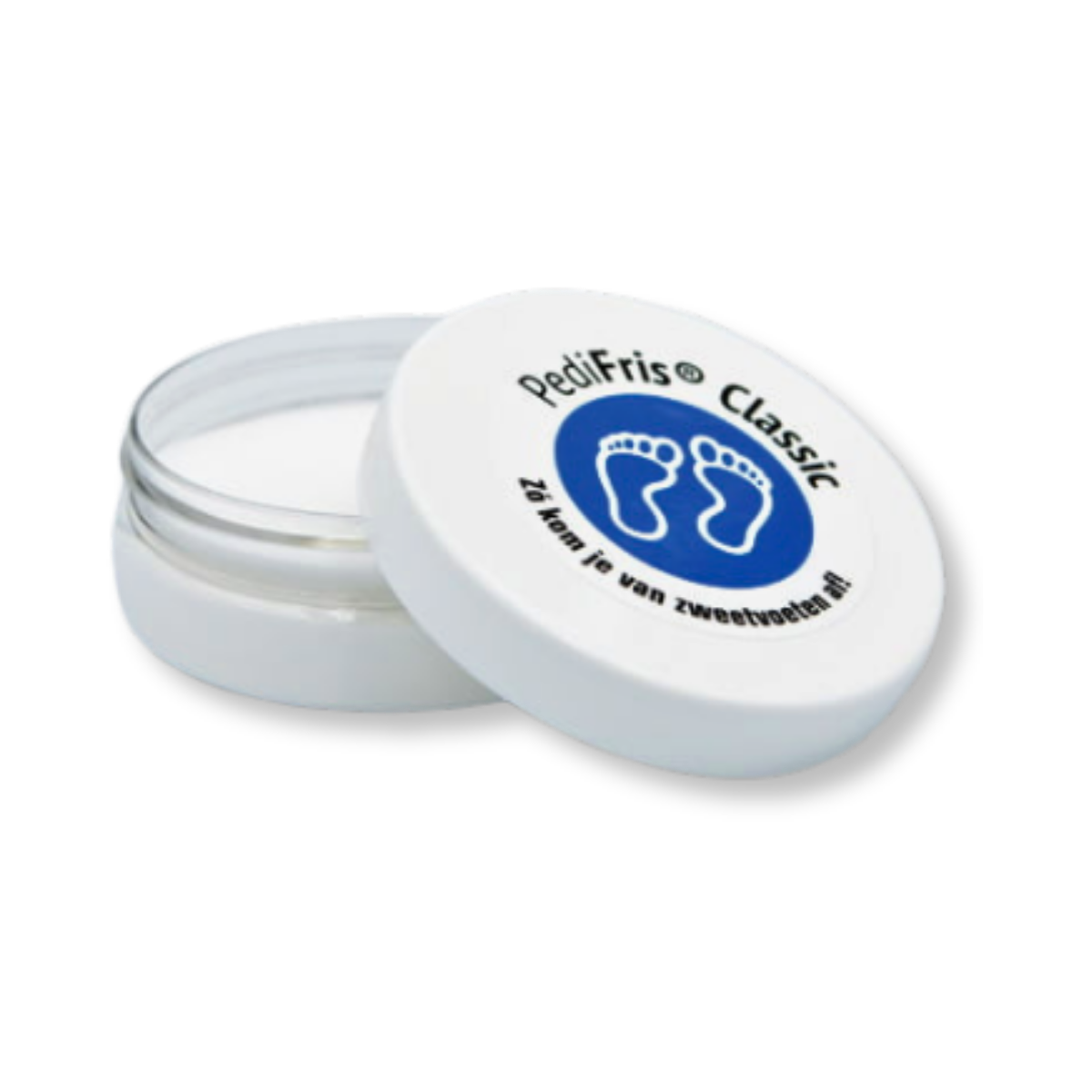
Treat stubborn sweaty feet with PediSpray®. This calms overactive sweat glands so the treated skin perspires less. Treat your shoes with PediFris® Classic and eliminate organisms that cause smelly feet and smelly shoes.
Want to tackle sweaty feet, smelly feet and smelly shoes effectively? With this 2-step approach, you first reduce excessive perspiration and then tackle bacteria and unpleasant shoe odour at the source.

Treat stubborn sweaty feet with PediSpray®. This calms overactive sweat glands so the treated skin sweats less.
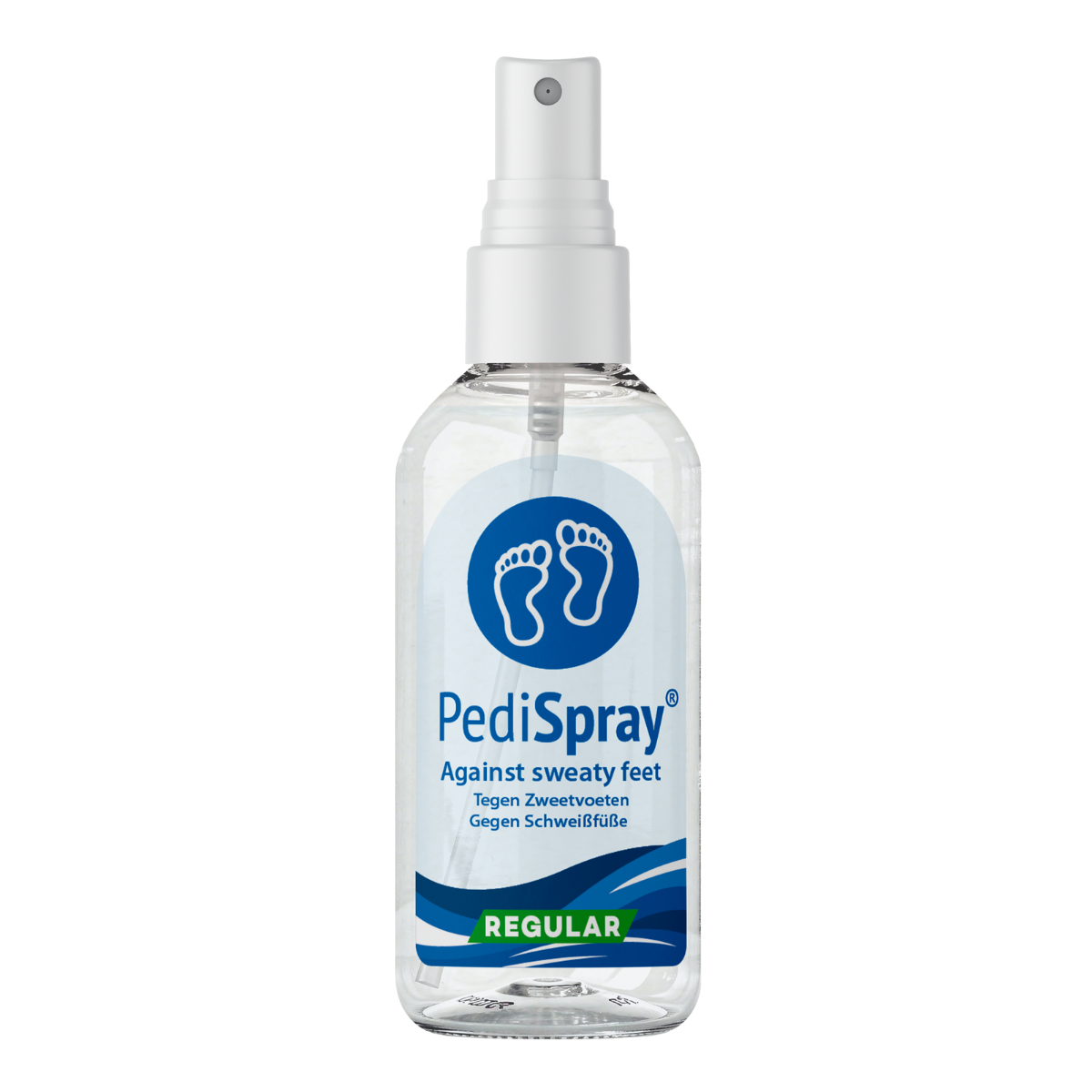

Treat your shoes with PediFris® Classic and eliminate the organisms that cause smelly feet and smelly shoes.
.svg)
 Dmitry Vakulich
Dirk Pot
Dmitry Vakulich
Dirk Pot
 John Martin
Conny Nooten
Amanda Davenpoort
Norbert Kampschulte
Danny De koning
gustaaf Schrauwen
Lianne
John Martin
Conny Nooten
Amanda Davenpoort
Norbert Kampschulte
Danny De koning
gustaaf Schrauwen
Lianne
 Joe
Joe
Sweaty feet can lead to damp socks, smelly shoes, foot odour, slipping in shoes and a higher chance of skin irritation or athlete's foot. Click a topic to read more about causes, care and practical solutions.
Less perspiration, more everyday comfort.
Read more
Support neat, strong and well-cared-for nails.
Read more
Extra care for sensitive and affected soles.
Read more
Tackle stubborn odour where it really starts.
Read more
Support clean skin and fresh foot comfort.
Read more
Step out every day feeling fresh, clean and cared for.
Read moreSpecially developed for all skin types to tackle odour and perspiration at the source. The unique PediFris formula works quickly and offers up to 5 days of effective protection.
For dry, healthy feet all day – 100% fresh!
Read more about Foot conditions and Sweaty feet.
Sweaty feet are a common problem that can cause a lot of discomfort. Fortunately, there are effective ways to minimise sweaty feet and get your feet fresh and dry again.
It depends on your specific need. Do you mainly struggle with damp feet? Then choose PediSpray®. Do your shoes and socks smell strongly? Use PediFris® Classic shoe powder. For the best result we always recommend the combination: spray against sweat, powder against odour.
Most pharmacy sprays are simple deodorants that only mask the smell with perfume. PediFris® tackles the cause. Our anti-perspirant really calms the sweat glands and our shoe powder kills the bacteria and fungi that cause the smell. That way the smell really stays away.
Smelly shoes are caused by bacteria and fungi in the material. You solve this with PediFris® Classic shoe powder. Unlike shoe fresheners that only mask odour, our powder kills the cause of the smell directly in the shoe. Sprinkle the powder in all your shoes – including your slippers – for the best result.
Pitted soles are caused by bacteria that attack the skin through excessive perspiration. The combination of PediSpray® and PediFris® Classic is very effective. The spray calms sweat production, while the shoe powder eliminates the bacteria in the shoe.
Yes, indirectly. Our products fight the micro-organisms that cause fungi. PediSpray® keeps your feet dry; PediFris® Classic shoe powder disinfects your shoes from the inside. This prevents you from reinfecting yourself via your own shoes.
Yes, absolutely. Our formulas are proven effective and safe for daily use on healthy skin.
Netherlands: order before 4pm on weekdays? We ship the same day – usually delivered the next day. Belgium & Germany: 1 to 3 working days. Rest of Europe: 3 to 5 working days. You receive a tracking code directly.
